Recycled dry bags are made from recycled polyester or TPU, cutting virgin material use while keeping the same waterproof performance. They let a brand offer sustainability without sacrificing the weld or the rating.
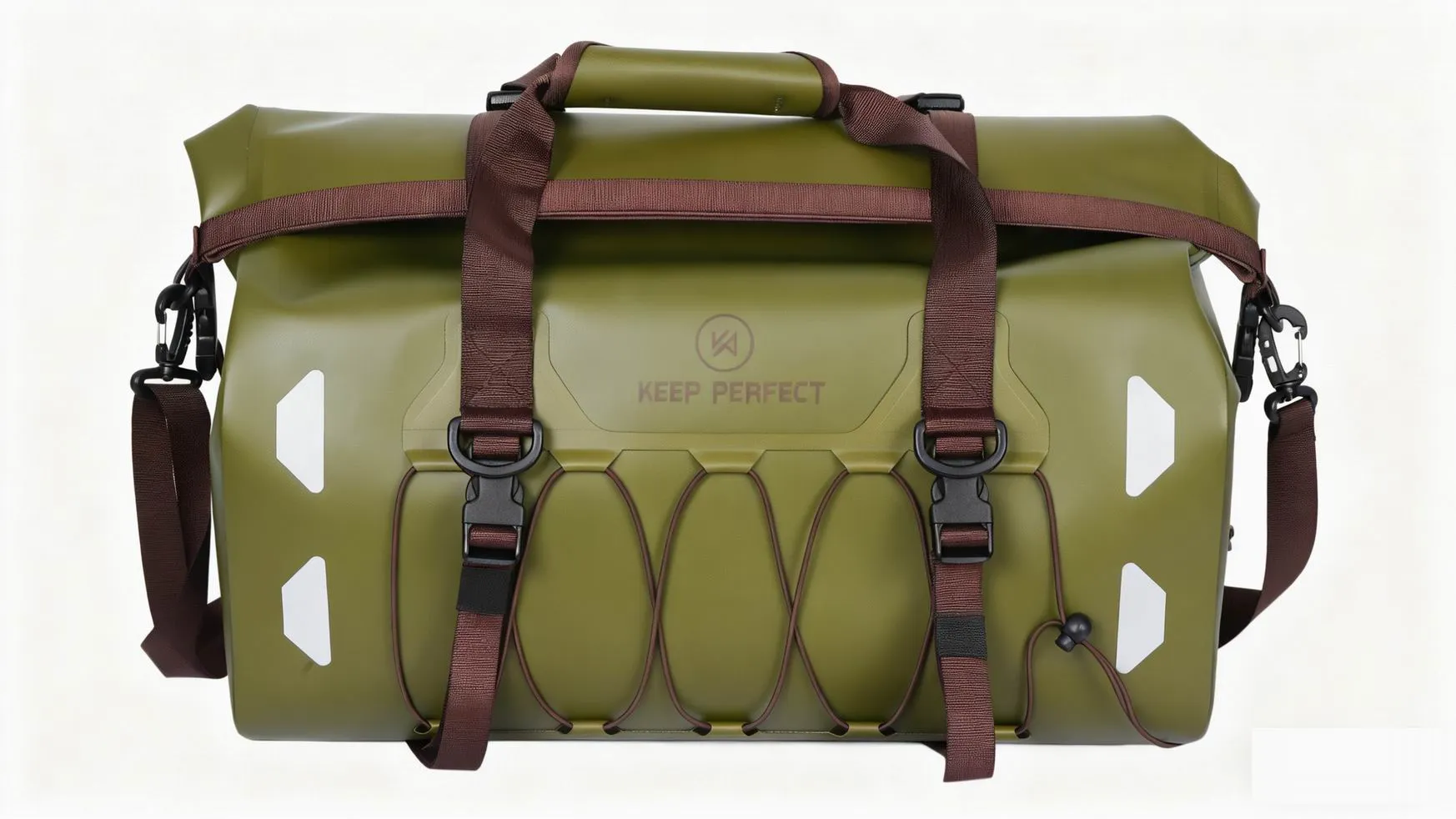
People searching for "recycled dry bags" usually want a direct, practical answer - and this page delivers one. This guide explains the recycled dry bag materials and construction methods that determine waterproofing, weight, durability and cost, so you can choose the right film and seam for your use case.
What recycled means here
Recycled dry bags typically use rPET fabric made from plastic bottles or recycled TPU films. The waterproof layer still works the same, so performance need not drop.
Why brands care
Outdoor and marine customers increasingly expect recycled materials, and a recycled dry bag is a visible, simple sustainability story that travels with the user.
Verifying the claim
Ask for the recycled-content percentage and certification such as GRS, rather than accepting a vague 'eco' label. Certification turns a claim into proof.
Cold weather behavior
PVC stiffens in cold, which makes a recycled dry bag harder to roll and close in winter conditions. TPU stays flexible down to lower temperatures, which is why it is preferred for skiing, alpine and cold-water use.
If you paddle or travel in cold climates, choose TPU or a TPU-coated nylon. If the bag will live in a warm climate or a boat locker, PVC's stiffness is less of a problem.
Eco-friendly and recycled options
TPU is generally seen as more eco-friendly than PVC because it is phthalate-free and easier to recycle, though no plastic is fully green. Recycled polyester or nylon fabrics with a TPU coating reduce virgin material use.
If sustainability matters to your brand, ask a recycled dry bag supplier about recycled fabric options, phthalate-free PVC and REACH compliance. These are increasingly available and can be a genuine differentiator.
Coatings vs laminates
A coated recycled dry bag has a waterproof layer applied to one side of the fabric; a laminate bonds a film to the fabric. Laminates are usually more durable and easier to weld, but both can be fully waterproof.
Ask which construction a supplier uses, because it affects weight, weldability and how the bag ages. Laminated TPU is the common premium construction.
Why seams matter more than fabric
A recycled dry bag leaks at the seam or closure far more often than through the film. That is why factories spend so much effort on welding quality and closure hardware, and why stitched bags must be seam-taped.
When evaluating a supplier, ask about the welding method and the seam test. A smooth RF weld with documented seam-strength testing is a strong signal that the bag will hold water out.
Food-safe and compliance materials
For a recycled dry bag that touches food, choose FDA-approved or food-grade film and phthalate-free PVC. EU buyers also ask for REACH compliance, and brands may request RoHS for metal components.
State your compliance needs before sampling so the factory builds the right materials and documentation into the order from the start.
UV resistance and long-term aging
UV light degrades most plastics over time. TPU has better UV resistance than PVC, but no film loves constant direct sun. A recycled dry bag stored outdoors in full sun will age faster than one stored in the shade.
For marine and deck use, UV-stable TPU is the safer long-term choice. Rotate or shade bags that sit in the sun, and rinse off salt, which can abrade and accelerate wear.
| Aspect | Detail |
|---|---|
| Material | rPET / rTPU |
| Certification | GRS |
| Performance | Equal |
| Material | Waterproofing | Weight | Durability | Cold / UV | Cost |
|---|---|---|---|---|---|
| TPU | Excellent, weldable | Light | Good | Best UV, soft in cold | Higher |
| PVC | Excellent, weldable | Heavier | Very high | Stiffens in cold, moderate UV | Lowest |
| Coated nylon | Good (depends on coating) | Lightest | Good | Moderate | Medium |
| Method | How it works | Best for |
|---|---|---|
| RF / high-frequency | Fuses film with electromagnetic energy | PVC and TPU seams |
| Heat sealing | Heated bar melts film together | Thinner films, simple seams |
| Seam taping | Waterproof tape over stitched seams | Coated nylon fabrics |
| Priority | Best material |
|---|---|
| Lightest weight | Coated nylon |
| Lowest cost | PVC |
| Cold weather | TPU |
| Puncture resistance | Thick PVC |
| UV exposure | TPU |
| Thickness | Typical use |
|---|---|
| 0.3-0.5mm | Light travel bags |
| 0.5-0.7mm | Everyday dry bags |
| 0.7mm+ | Expedition and river bags |
What recycled actually means in dry bag fabric
Recycled dry bags use either rPET polyester scrim (from recycled plastic bottles) with a PU or TPU coating, or recycled TPU film made from factory scrap. A typical rPET scrim bag diverts about 4 to 8 bottles per 20 L bag, and the GRS certification traces the recycled content from bottle through to finished bag.
Recycled TPU is less common because TPU is harder to depolymerize cleanly; most 'recycled TPU' on the market is actually 20 to 30 percent recycled reground mixed with virgin. If a supplier claims 100 percent recycled TPU without a GRS mass-balance certificate, treat it as marketing.
Certifications buyers should recognize
The main recycled-content certifications are GRS (Global Recycled Standard, 50 percent+ recycled content with chain of custody), RCS (Recycled Claim Standard, lower threshold) and bluesign (chemical and environmental management). For EU retail, GRS is the one that matters; for US outdoor retail, bluesign adds credibility.
Each certification adds cost: GRS audit is about $1,500 to $3,000 per factory per year, and GRS-certified rPET film carries a 10 to 18 percent material premium over virgin polyester. JUNYUAN BAGS, our manufacturing partner carries GRS-certified rPET scrim and can pass the certificate with each shipment so your brand can make the claim on packaging and PDP pages.
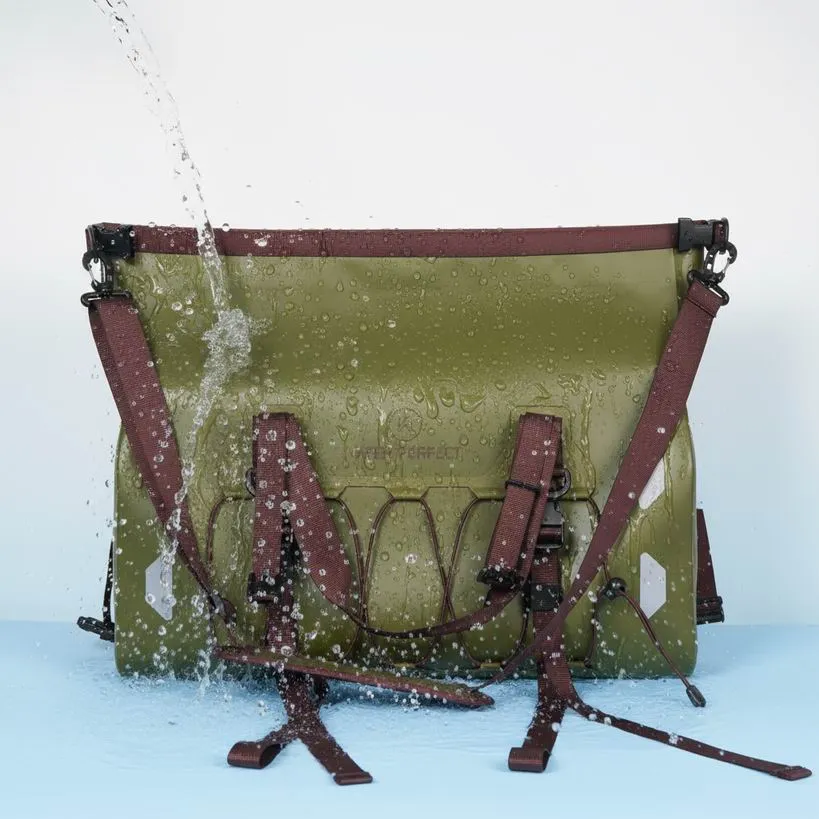
Performance trade-offs
Recycled rPET scrim performs almost identically to virgin polyester in tensile and tear tests - the bottle-to-fiber process cleans and re-spins the polymer. The visible difference is often color: rPET fabric is slightly less white, so bright white or pastel bags may need an extra pigment bath. Tensile strength typically lands within 5 percent of virgin at the same denier.
How to price and market it
Recycled content justifies a 10 to 20 percent retail price premium because eco-conscious buyers will pay it, but it is not a durability upgrade. Market it as 'made from X recycled bottles' on the tag and PDP, not as a heavier-duty bag. Pair it with a recyclable or FSC paper hang tag so the story is consistent end to end.
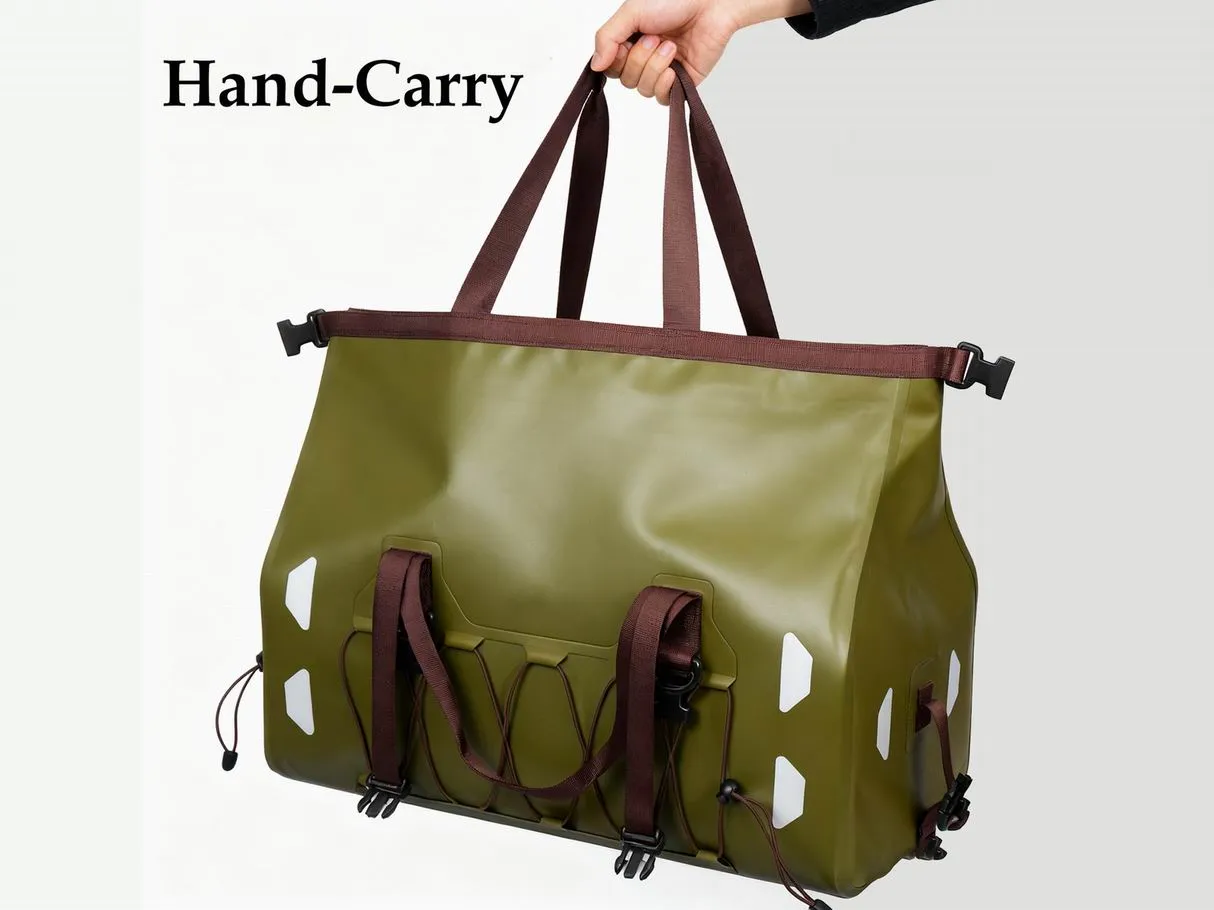
Bottle count and marketing numbers
A 20 L rPET dry bag uses about 4 to 6 recycled 500 ml bottles. That number is the single most effective marketing line - put it on the hang tag and PDP. Do not claim 'ocean plastic' unless you have a certification; generic rPET from industrial bottle waste is honest and sufficient.
Marketing the recycled claim honestly
The most effective recycled-content claim is a concrete number: 'this bag is made from 5 recycled 500 ml bottles'. It is specific, credible and memorable. Avoid vague claims like 'eco-friendly' or 'sustainable' - those are greenwashing risks. Pair the bottle count with the GRS certificate number on the PDP so the claim is verifiable.
Do not overstate. If the bag is 30 percent rPET and 70 percent virgin TPU, say '30 percent recycled content'. Do not say '100 percent recycled'. Regulators and review platforms penalize overclaimed sustainability, and a single returned product costs more than the margin on ten sales. Honest, specific, certified - that is the defensible way to market recycled bags.
GRS certification chain of custody
Global Recycled Standard certification requires traceability from the recycled input (bottles, factory scrap) through to the finished bag. The film mill, the converter and the bag factory all need to be GRS-certified, and every shipment carries a transaction certificate. A bag that claims GRS without this chain is falsely marketed.
The GRS audit costs the factory $1,500 to $3,000 per year, and GRS film carries a 10 to 18 percent premium. Pass the certificate with each shipment so your compliance team can file it. For EU retail, GRS is the recycled label that matters.
Recycled content cost premium
GRS-certified rPET film costs 10 to 18 percent more than virgin. The GRS factory audit is $1,500 to $3,000 per year. On a 1,000-piece order, the recycled premium is $0.60 to $1.20 per bag. Retail buyers pay 10 to 20 percent more for the eco story, so the premium is recouped at sell-through.
Market the bottle count (4 to 6 bottles per 20 L bag) and show the GRS certificate number on the PDP. Do not overclaim - honest, certified, specific.
Recycled bag packaging
Pair a recycled bag with FSC paper hang tags and unbleached recycled polybags so the eco story is consistent end to end. A recycled bag in a virgin plastic blundercuts the story. Budget $0.10 to $0.20 per unit for FSC tags and recycled polybags. The packaging choice signals the same value the bag claims.
Marketing the recycled story
Pair the GRS certificate with a concrete number on the PDP: 'made from 5 recycled bottles'. Show the cert number. Use FSC hang tags and recycled polybags. Avoid vague 'eco-friendly' claims. Honest, specific, certified - that is how a recycled bag earns its price premium without greenwashing risk.
Marketing the bottle count
The most effective recycled claim is a concrete number: 'this bag is made from 5 recycled 500 ml bottles'. It is specific, credible and memorable. Pair it with the GRS certificate number on the PDP. Avoid vague 'eco-friendly' claims. Honest, specific, certified.
Do not overclaim. If the bag is 30 percent rPET, say 30 percent. Do not say 100 percent. Regulators penalize overclaimed sustainability. The 10 to 18 percent material premium is recouped at retail.
Recycled material spec and GRS
A recycled dry bag uses recycled polyester (rPET) fabric or recycled TPU film, certified to the Global Recycled Standard. The fabric is 420D to 840D rPET with a TPU laminate, weighing 250 to 650 gsm depending on denier. Recycled content is 50 to 100 percent by weight, traced back to plastic bottles or industrial offcuts. At MOQ 500, a recycled 20 L bag costs 10 to 15 percent more than virgin material, and the factory must provide a GRS transaction certificate per shipment.
For an OEM brand, ask for the GRS certificate, the recycled content percentage, and a bluesign or OEKO-TEX audit. Specify the film thickness (0.7 mm minimum for waterproofing), the weld peel strength (30 N per 25 mm), and a 200-hour UV test. Recycled TPU welds the same way as virgin, so there is no production trade-off. Market the recycled content honestly on the hangtag; overclaiming triggers greenwashing complaints and platform takedowns.
People also ask
Which dry bag material lasts longest?
PVC lasts longest under hard abrasion but stiffens; TPU stays flexible longer; nylon is lightest but the coating can wear. Storage and care matter as much as material.
What is the difference between TPU and PVC dry bags?
TPU is lighter, softer and more UV-stable; PVC is heavier, more puncture-resistant and cheaper. TPU suits premium packable bags; PVC suits rugged, high-volume bags.
How long do dry bags last?
A well-maintained dry bag lasts many seasons. PVC lasts longest in hard use but stiffens in cold; TPU stays flexible but is softer.
Do PVC dry bags get stiff in the cold?
Yes. PVC stiffens below freezing, which can make rolling and closing harder. TPU stays flexible in cold conditions.
Do TPU dry bags crack in the sun?
TPU has better UV resistance than PVC, but prolonged direct sun still ages any film. Store dry bags out of direct sunlight when not in use.
How are dry bags made?
The body is cut from waterproof film or coated fabric, seams are welded or taped, hardware is attached, and each bag is leak-tested before shipping.
What does IPX8 mean on a dry bag?
IPX8 means the bag survives continuous immersion beyond 1 meter under manufacturer-specified conditions. The depth and duration are only meaningful if stated.
Does dry bag material affect waterproofing?
The material supplies the waterproof barrier, but the closure and seams decide real-world waterproofing. A good film still leaks if seams or closures fail.
Key takeaways
- Choose recycled dry bag by fixing the activity, size, material and closure before comparing options.
- Verify waterproofing with a stated IPX rating and a real test method, not a label.
- For bulk orders, confirm MOQ, lead time and a pre-production sample before committing.
- Match material to conditions: TPU for cold and UV, PVC for abrasion, coated nylon for weight.
- A physical pre-production sample is the only reliable way to lock material, color and printing.
- Store dry bags loose and shaded, and re-test the seal before trusting them with electronics.
Related guides
- What is a dry bag?
- Dry bag materials: TPU vs PVC vs nylon
- IPX / IP68 waterproof ratings
- Types of dry bags
- OEM dry bags
Step by step
- Decide your priority: weight, cost, cold performance or puncture resistance.
- Choose TPU, PVC or coated nylon accordingly.
- Check the seam method - welded or seam-taped - and the film thickness.
- Confirm any compliance needs such as REACH, RoHS or food-grade material.
Specification checklist
- Fix the specification first - material, size, closure, printing and packaging - so quotes are comparable.
- Verify waterproofing with a stated IPX rating and a real test method, and confirm the batch sampling plan.
- Order a pre-production sample and approve it before bulk production begins.
- Confirm MOQ, lead time, payment terms and the correct HS code before you commit.
- Match the material to the conditions: TPU for cold and UV, PVC for abrasion, coated nylon for weight.
- Ask for a dated test report and a pre-shipment inspection (AQL) for waterproofing and seams.
- Keep the most valuable items in an inner pouch as a second layer of protection.
- Rinse, dry and store the bag correctly to extend its lifespan season after season.
Bottom line
The bottom line is that material choice is a trade-off, not a ranking. TPU is the premium all-rounder, PVC is the tough budget workhorse, and coated nylon is the light packable option. Pair the right film with welded or taped seams and the bag will perform as promised. For "recycled dry bags", this is the summary that matters most.
Frequently Asked Questions
Q1. Which dry bag material lasts longest?
PVC lasts longest under hard abrasion but stiffens; TPU stays flexible longer; nylon is lightest but the coating can wear. Storage and care matter as much as material.
Q2. What is the difference between TPU and PVC dry bags?
TPU is lighter, softer and more UV-stable; PVC is heavier, more puncture-resistant and cheaper. TPU suits premium packable bags; PVC suits rugged, high-volume bags.
Q3. How long do dry bags last?
A well-maintained dry bag lasts many seasons. PVC lasts longest in hard use but stiffens in cold; TPU stays flexible but is softer.
Q4. Do PVC dry bags get stiff in the cold?
Yes. PVC stiffens below freezing, which can make rolling and closing harder. TPU stays flexible in cold conditions.
Q5. Do TPU dry bags crack in the sun?
TPU has better UV resistance than PVC, but prolonged direct sun still ages any film. Store dry bags out of direct sunlight when not in use.
Q6. How are dry bags made?
The body is cut from waterproof film or coated fabric, seams are welded or taped, hardware is attached, and each bag is leak-tested before shipping.
Q7. What does IPX8 mean on a dry bag?
IPX8 means the bag survives continuous immersion beyond 1 meter under manufacturer-specified conditions. The depth and duration are only meaningful if stated.
Q8. Does dry bag material affect waterproofing?
The material supplies the waterproof barrier, but the closure and seams decide real-world waterproofing. A good film still leaks if seams or closures fail.
Q9. How do I clean a dry bag?
Rinse with fresh water, wipe with mild soap, and air-dry fully before storing. Avoid harsh solvents and keep zipper tracks clean of sand.
Q10. What is the difference between waterproof and water resistant?
Waterproof means it keeps water out under submersion or jets; water resistant means it resists light rain and splashes but will leak under pressure or immersion.
Q11. How do I dry a dry bag?
Hang it open upside down in a shaded, ventilated area. Dry the roll-top folds and zipper tracks completely to prevent mildew.
Q12. What is seam taping?
Seam taping covers stitched seams with a waterproof tape to stop needle holes leaking. It is used on coated fabrics that cannot be welded.
Q13. Can dry bag material be printed on?
Yes. TPU and PVC accept screen printing and heat transfer, while coated nylon usually needs sublimation or woven labels for best results.
Q14. How do I fix a dry bag seam?
Use seam tape or liquid seam sealer made for TPU or PVC, apply it over the damaged weld, and let it cure fully before use.
Q15. How do you test a watertight zipper?
A watertight zipper test closes the zipper and applies water pressure or submersion while checking for leaks along the teeth and slider.
Q16. How do I test if a dry bag leaks?
Seal a dry paper towel inside, close the bag, submerge it briefly, then open it and confirm the towel is still dry. Bubbles under water also reveal leaks.
Q17. How can I tell if a seam is well welded?
A good weld is smooth, even and free of gaps or bubbles. Pull gently along the seam - a strong weld should not peel or open.
Q18. What does the IP rating scale mean?
The IP scale uses two digits: the first rates solids (0-6) and the second rates liquids (0-8). An X means that digit was not tested.
Q19. What is the strongest dry bag seam?
A high-frequency (RF) weld is usually the strongest because it fuses the film into one continuous layer rather than gluing two surfaces.
Q20. What size dry bag do I need?
Use 2-5L for phone and valuables, 10-15L for day trips, 20-30L for overnight gear, and 40-60L for multi-day expeditions.